Get List of Journals + Fees and Acceptance and Publication Timeline
A practical guide for researchers on how to find journals, check fees, review timelines, and publication speed. Learn how to choose the best journal for your research.
- How to Get a List of Journals for Your Paper
- How to Find Scopus Journals Relevant to Your Field
- How to Find WoS Journals (ESCI, SCI, SCIE, SSCI)
- How to Find PubMed Journals
- How to Identify Journals Relevant to Your Field of Study
- How to Check Journal Fees (APC or No Fees)
- How to Check Acceptance Timeline (Time to First Decision)
- How to Check Publication Timeline (Acceptance → Online Publication)
- How to Organize and Compare Journals
For most researchers—especially graduate students and early-career academics—the first question that comes to mind after finishing a research paper is:
“Which journals can I publish in, and how long will it take?”
Finding a list of relevant journals is only the first step. You also need to know:
Does the journal charge fees?
How long does peer review take?
What is the expected acceptance timeline?
How long until the paper is published online?
Is the journal indexed in Scopus, WoS, or PubMed?
This guide provides a step-by-step, practical method to get a journal list and check fees and timelines—without relying on guesswork or unofficial sources. Everything here can be applied immediately by any researcher looking for the safest, fastest, and most suitable journal.
How to Get a List of Journals for Your Paper
Before searching for journals, you must clarify one important point:
Which indexing do you want?
Different researchers have different requirements depending on university or job promotion rules. Typically, the most requested indexings are:
Scopus
Web of Science (ESCI, SCI, SCIE, AHCI, SSCI)
PubMed / PubMed Central
DOAJ (for open access journals)
Choosing the indexing first will narrow your search and ensure the journals meet academic standards.
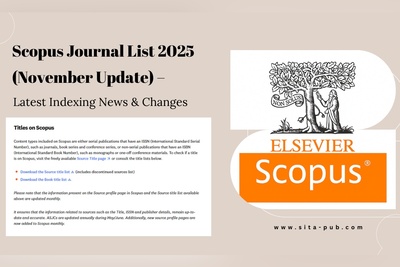
How to Find Scopus Journals Relevant to Your Field
Scopus is one of the most widely required indexing systems for university promotion, graduation, and academic evaluation.
Steps to find Scopus journals:
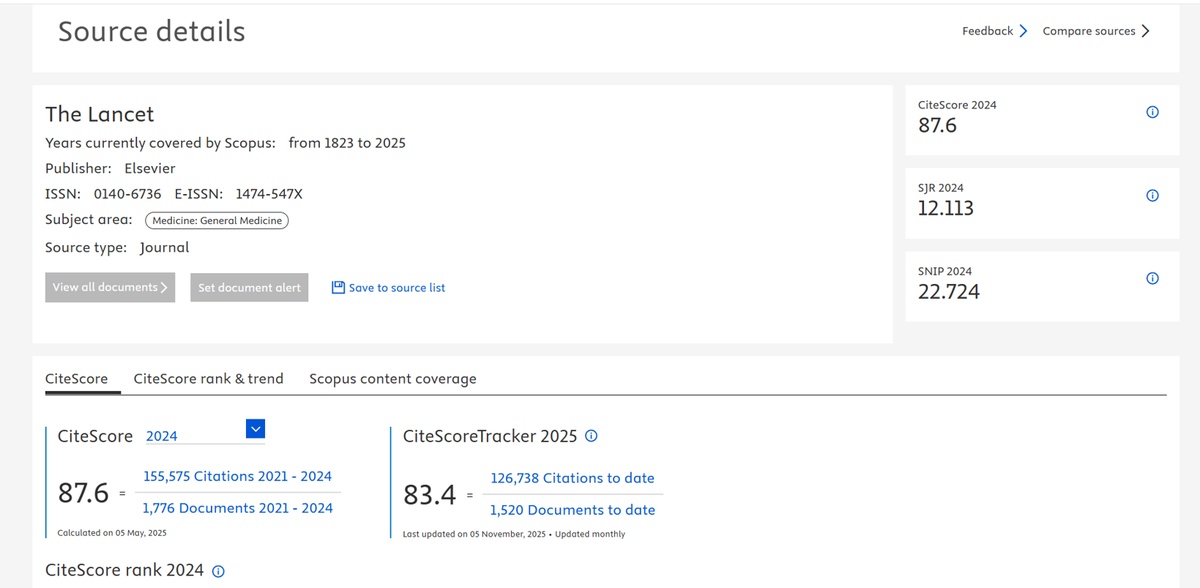
Visit the Scopus Source List (official Elsevier website)
Search for: “Scopus Sources” and open the official Elsevier page.
Download the Scopus journal list (Excel).
Filter by your subject area:
Examples:
Medicine
Nursing
Computer Science
Engineering
Business
Social Sciences
Filter by quartile (Q1, Q2, Q3, Q4) if needed.
Many researchers prefer Q3 or Q4 for faster acceptance.
Check the journal’s website through the link provided.
This is where you will find information about scope, fees, and timelines.
Bonus method: Use journal recommender tools
Elsevier Journal Finder
Springer Journal Suggester
Taylor & Francis Journal Finder
IEEE Publication Recommender
Upload your title and abstract, and you will receive a list of matching journals—but always double-check indexing manually.
How to Find WoS Journals (ESCI, SCI, SCIE, SSCI)
Web of Science (WoS) is a high-prestige indexing with several tiers:
SCI / SCIE – High-quality, high-impact scientific journals
SSCI – Social sciences
ESCI – Emerging Sources Citation Index (often easier to publish)
Steps to find WoS journals:
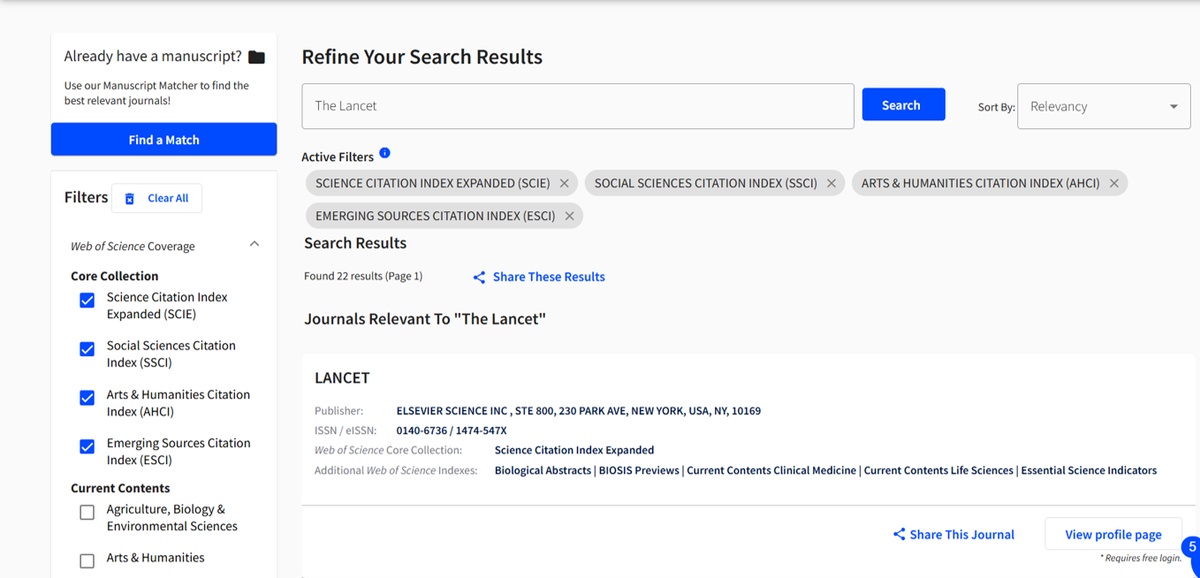
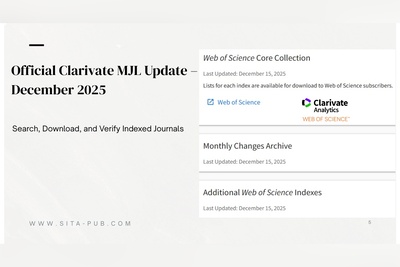
Go to Master Journal List (Web of Science official site).
Type your keywords or field of study.
Apply filters:
ESCI
SCI
SCIE
SSCI
Open each journal’s profile to check:
ISSN
Coverage (which WoS index)
Publisher
Journal website link
Important advice
Many ESCI journals have faster review times compared to SCI/SCIE journals.
How to Find PubMed Journals
For medical, clinical, and health science fields, PubMed or PMC indexing is often mandatory.
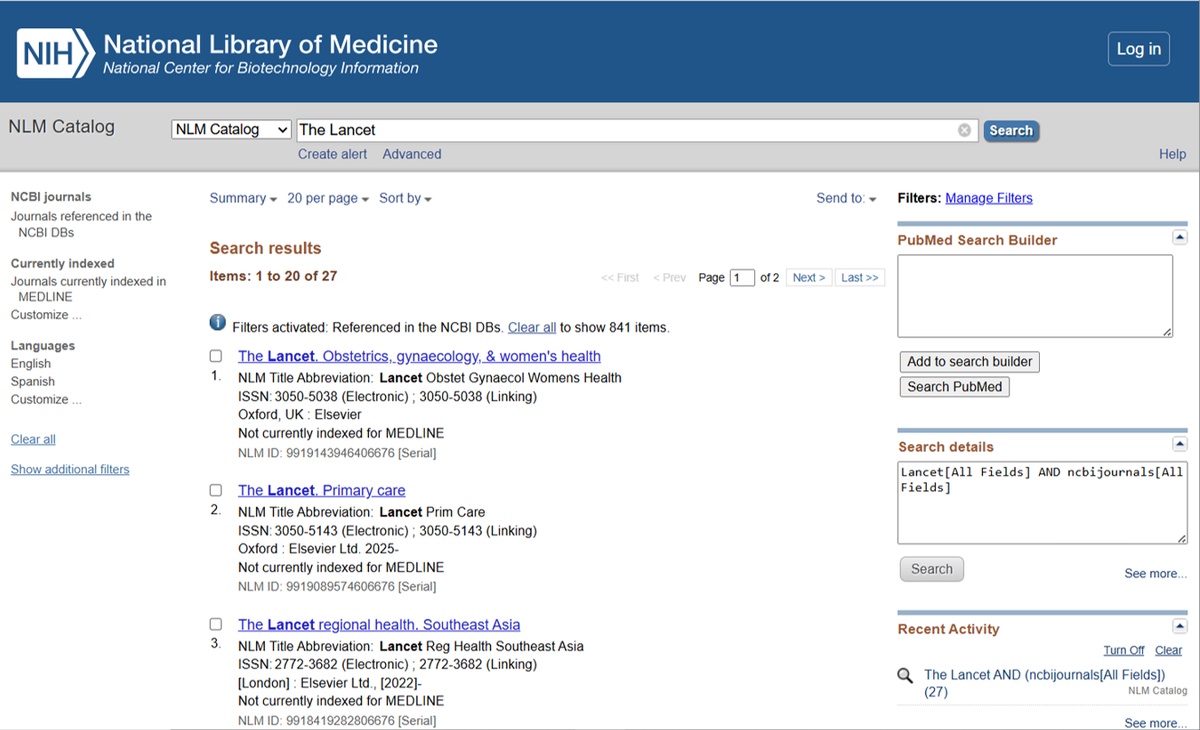
How to find them:
Go to NLM Catalog.
Search using keywords related to your field.
Check the “Currently indexed for MEDLINE” or “PubMed/PMC indexation” section.
Open the journal website for further details.
Tip:
PubMed journals usually provide detailed information about time to decision and publication schedule.
How to Identify Journals Relevant to Your Field of Study
Indexing alone is not enough. The journal must match your research scope.
Steps to confirm relevance:
Read the Aims and Scope page of the journal.
Check the recent published articles:
Are they similar to your topic?
Do they use similar methodologies?
Look at the article types accepted (original research, review, case report, etc.).
Examine the keywords commonly used in published papers.
If your research is not strongly aligned with the journal’s focus, your paper will likely be rejected immediately.
How to Check Journal Fees (APC or No Fees)
Many researchers are surprised to find that some journals charge hundreds or even thousands of dollars.
To avoid misunderstandings, always check fees directly from the journal’s official website.
Where to find publishing fees:
“Author Guidelines” page
“Open Access” page
“Article Processing Charges (APC)” section
Important Points:
Some journals have no fees (fully sponsored).
Hybrid journals allow free publication OR paid open-access publication.
High APC does not mean fast acceptance.
How to confirm whether the journal is free:
Look for keywords like:
“No article processing charge”
“No submission fee”
“Publication is free of charge”
If no information is provided, email the editor for clarification.
How to Check Acceptance Timeline (Time to First Decision)
Fast publication depends heavily on the journal’s review speed.
Where to find acceptance timeline:
Check the journal website (Author Guidelines → Peer Review Policy).
Look for:
“Average time to first decision”
“Review timeline”
“Time from submission to acceptance”
Search Google:
“Review speed + journal name”Use tools like:
SciRev (scirev.org) → Researcher-reported review times
Publons peer review statistics
Typical timelines:
Fast journals: 1–4 weeks
Moderate: 1–3 months
Slow SCI journals: 6–12 months
How to Check Publication Timeline (Acceptance → Online Publication)
Even after acceptance, publication can take time.
Where to check publication speed:
On the journal website (look for: “Publication Schedule”).
Check recently published articles for:
“Accepted on” date
“Published online” date
Normal publication ranges:
Fast: 1–2 weeks after acceptance
Average: 1–2 months
Slow: 3+ months
Journals with “Online First” or “Ahead of Print” are usually faster.
How to Organize and Compare Journals
After collecting journal information, researchers should organize it into a comparison table.
Information to include in your table:
Journal Name | Indexing | ISSN | APC Fees | Review Time | Publication Time | Quartile/IF | Website |
This makes it extremely easy to compare and choose the best option.
Conclusion
Finding reliable journals with clear fees and timelines does not have to be difficult. By following the methods in this guide, you can quickly gather a complete list of journals that match your research scope, indexing needs, financial preferences, and publication speed.
This is the most practical and safest approach to selecting the best journal for your research paper.
Want to Get the List of Journals for Your Paper?
SITA Academy is an international academic service provider dedicated to helping researchers and authors publish their papers efficiently and successfully.
If you want to receive a personalized list of journals—including:
Indexing status
Publication fees (APC or free)
Acceptance timeline
Publication timeline
Relevance to your research scope
Simply send us your research scope and the abstract section of your paper.
Our expert team will review your work and provide a curated list of journals with the fastest publication timelines and the highest chances of acceptance.