The Complete Guide to AHCI and SSCI Journals for Humanities Researchers
Complete guide to AHCI and SSCI journals for humanities researchers. Learn the differences, eligible fields, fast-publishing journals, and how to find SSCI or AHCI journals with high acceptance rates for promotion or graduation.
- What Are AHCI Journals?
- What Are SSCI Journals?
- Humanities Fields Eligible for AHCI and SSCI Journals
- How to Find Fast-Publishing AHCI and SSCI Journals with High Acceptance Rates
- Common Mistakes Humanities Researchers Make
- When AHCI or SSCI Journals Are Required Publication
- Get the Right AHCI or SSCI Journal for Your Paper
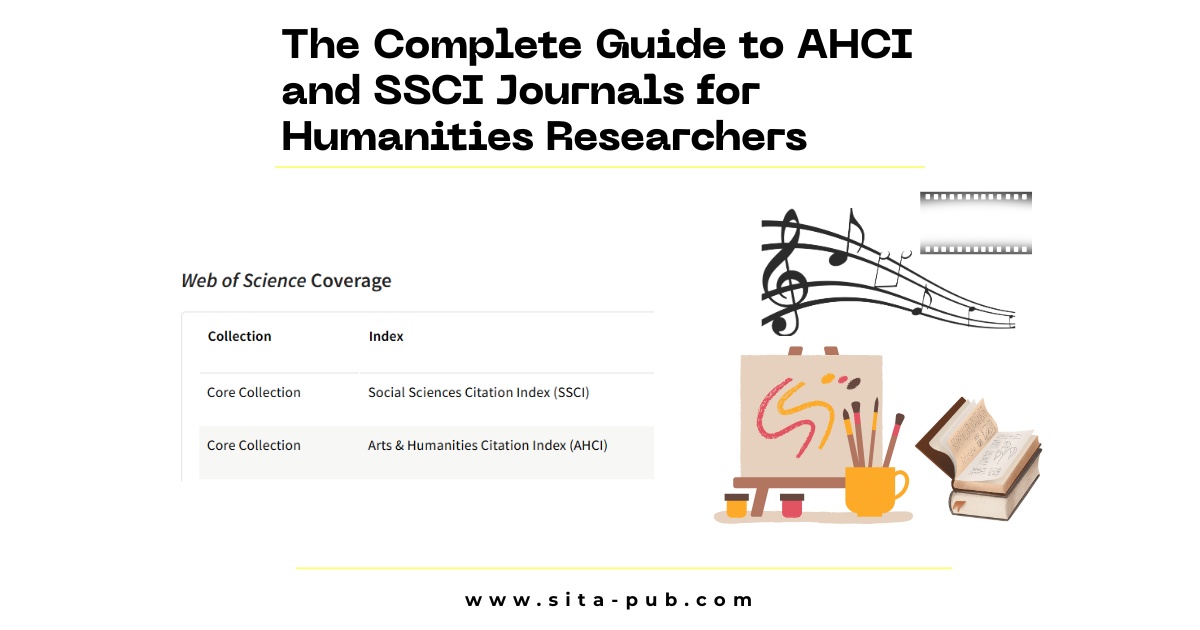
For humanities researchers, publishing in internationally recognized journals is essential for academic promotion, graduation, research assessment, and global visibility. Among the most respected indexing systems within the Web of Science Core Collection are the Arts & Humanities Citation Index (AHCI) and the Social Sciences Citation Index (SSCI). However, many researchers remain unclear about the differences between these indexes, which humanities fields are eligible, and how to identify journals with reasonable review timelines and higher acceptance rates.
This guide explains what AHCI and SSCI journals are, which humanities disciplines can publish in them, and how researchers can strategically identify suitable journals—especially when publication speed and acceptance probability matter.
What Are AHCI Journals?
AHCI (Arts & Humanities Citation Index) is a citation index within the Web of Science platform that covers leading journals in the arts and humanities. Unlike science-based indexes, AHCI focuses on qualitative research, critical analysis, theoretical frameworks, and interpretive scholarship.
Key Characteristics of AHCI Journals
Emphasis on originality, theoretical contribution, and scholarly interpretation
Less focus on quantitative metrics and experimental replication
Citations develop more slowly compared to science journals
Impact Factor is often not assigned or not emphasized
Prestige is based on editorial quality and scholarly influence
AHCI journals typically publish research that advances knowledge through conceptual analysis, historical interpretation, philosophical inquiry, or cultural critique.
What Are SSCI Journals?
SSCI (Social Sciences Citation Index) includes journals that publish research in the social sciences, many of which overlap with humanities disciplines. SSCI journals often emphasize methodological rigor, whether qualitative, quantitative, or mixed-methods.
Key Characteristics of SSCI Journals
Often assigned an Impact Factor and Quartile (Q1–Q4)
Strong emphasis on research design and analytical clarity
Higher institutional recognition for promotion and evaluation
Broader readership across applied and interdisciplinary fields
For humanities researchers whose work engages social theory, policy analysis, education, communication, or applied cultural studies, SSCI journals can be an excellent publication route.

Humanities Fields Eligible for AHCI and SSCI Journals
One of the most common questions humanities researchers ask is whether their field is suitable for AHCI or SSCI journals. The answer depends on research orientation, not just discipline name.
Fields Commonly Published in AHCI Journals
Philosophy
History and Historiography
Literature and Literary Studies
Linguistics (theoretical, historical, discourse-based)
Cultural Studies
Religious Studies
Art History and Visual Studies
Musicology
Film, Media, and Screen Studies
Classical Studies
These fields typically emphasize interpretation, theory, textual analysis, and historical context.
Humanities Fields Commonly Published in SSCI Journals
Education (theoretical, pedagogical, policy-focused)
Applied Linguistics and Language Education
Communication and Media Studies
Sociology and Social Theory
Anthropology
Political Science and Political Theory
Gender Studies
Area and Regional Studies
Development Studies
Human Geography
SSCI journals often welcome humanities research when it is framed around social processes, institutions, policy, or empirical analysis.
Multidisciplinary and Interdisciplinary Humanities Research
Many modern humanities studies are interdisciplinary, combining theory from humanities with methods from social sciences. Such work may be suitable for either AHCI or SSCI depending on:
Research questions
Methodology
Target audience
Journal scope
Choosing the correct index is a strategic decision that directly affects acceptance chances.
How to Find Fast-Publishing AHCI and SSCI Journals with High Acceptance Rates
Not all AHCI and SSCI journals are slow or highly selective. While top-tier journals can take a year or more, many reputable journals offer reasonable review timelines and practical acceptance rates—if selected carefully.
Key Strategies for Identifying Suitable Journals
Match Scope Precisely
Desk rejections are most often caused by scope mismatch. Journals with clearly aligned aims are far more likely to send papers for peer review.
Avoid Overly Competitive Titles
Well-known flagship journals often have acceptance rates below 10%. Mid-tier AHCI and SSCI journals may offer acceptance rates exceeding 70–90% for well-prepared manuscripts.
Check Recent Issues
Review recent publications to assess:
Topic relevance
Article length and style
Methodological expectations
Consider Interdisciplinary Journals
Multidisciplinary journals indexed in SSCI or AHCI often:
Publish more frequently
Accept broader themes
Have faster editorial workflows
Evaluate Review Timelines
Some journals publicly state average review durations. Others can be assessed through recent author experiences and publication timelines.

Common Mistakes Humanities Researchers Make
Submitting theoretical work to empirically driven SSCI journals
Targeting Q1 journals without strategic justification
Confusing journal prestige with indexing suitability
Ignoring journal scope details
Assuming all AHCI journals are slow
Avoiding these mistakes dramatically improves publication outcomes.
When AHCI or SSCI Journals Are Required Publication
In many universities and research systems, AHCI or SSCI publications are mandatory for:
PhD graduation
Academic promotion
Research incentives
Institutional ranking requirements
In such cases, researchers must balance:
Indexing requirements
Acceptance probability
Timeline constraints
Strategic journal selection becomes critical—not optional.

Get the Right AHCI or SSCI Journal for Your Paper
Are you searching for AHCI or SSCI journals to publish your humanities research in fields such as philosophy, linguistics, literature, education, cultural studies, communication, or interdisciplinary social sciences?
Whether your goal is academic promotion, PhD graduation, or institutional requirements, choosing the right journal is essential.
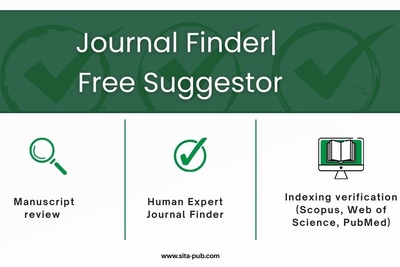
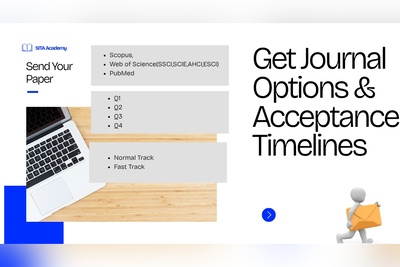
Send your abstract or manuscript
We will review your work carefully
You will receive a tailored list of suitable AHCI or SSCI journals
Journals selected based on scope fit, speed, and acceptance rates exceeding 90%
Start with the right journal—and publish with confidence.
Verified Contact Channels
If you have any questions, inquiries, or would like to learn more about our services, please don't hesitate to reach out to us. Our dedicated team is ready to assist you.