Gulf Research Publication Service | Fast & Reliable Publishing
Gulf research publication service offering fast, reliable publishing in Scopus, WoS, SSCI, AHCI, and ESCI journals. Expert journal selection, high acceptance rates, and ethical support for promotion and graduation.
- Introduction: The Growing Demand for International Research Publication in the Gulf
- Common Publication Challenges Faced by Researchers in the Gulf
- Why Journal Selection Is Critical for Fast and Reliable Publishing
- Our Research Publication Services for the Gulf Region
- Fast-Track Publishing: How We Reduce Review and Decision Time
- Wide Journal Coverage Across Disciplines
- Why Researchers Across the Gulf Trust Our Services
- Who Can Benefit from Our Publication Services?
- How to Submit Your Abstract or Manuscript
Introduction: The Growing Demand for International Research Publication in the Gulf
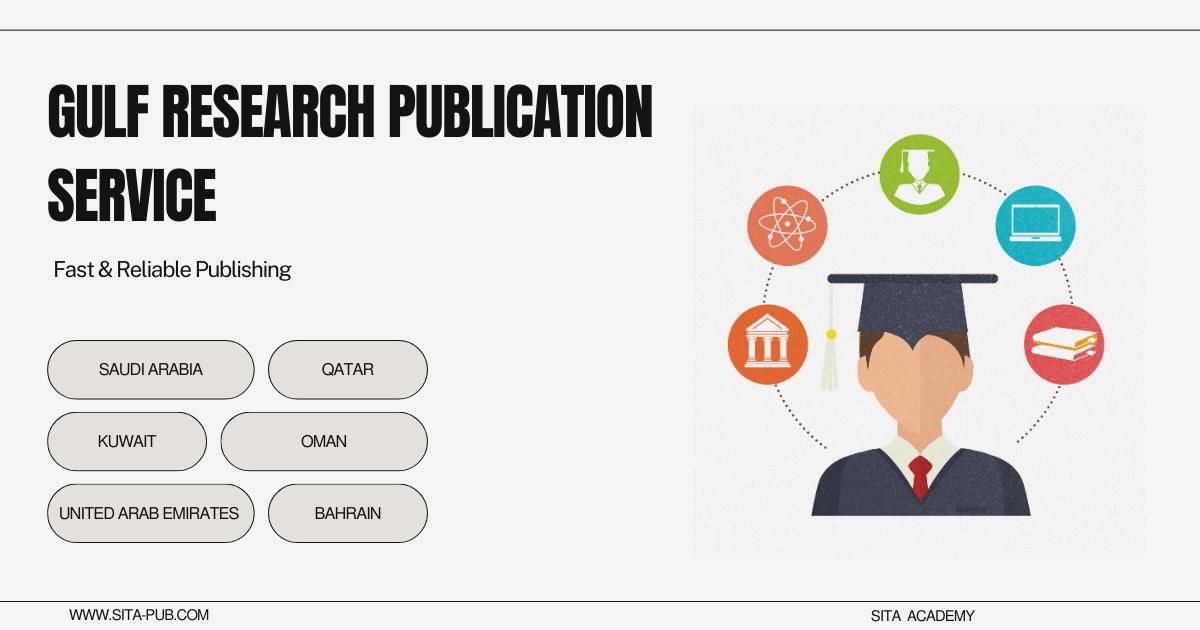
Over the past decade, universities across the Gulf Cooperation Council (GCC) have significantly increased their expectations for international research output. Leading institutions such as King Saud University, King Abdullah University of Science and Technology, Qatar University, United Arab Emirates University, Khalifa University, Sultan Qaboos University, Kuwait University, and University of Bahrain now place strong emphasis on publishing in internationally indexed journals.
Research Expectations in GCC Universities
Academic evaluation systems across Saudi Arabia, the UAE, Qatar, Kuwait, Oman, and Bahrain increasingly rely on publications indexed in Scopus and Web of Science (WoS). Indexed publications are central to:
Academic promotion and tenure decisions
PhD and Master’s graduation requirements
Competitive research funding and grants
Institutional rankings and global visibility
As a result, researchers are under growing pressure to publish not only internationally, but strategically and efficiently.
Promotion, Graduation, and Funding Requirements
Many universities specify clear publication benchmarks, such as:
A minimum number of Scopus- or WoS-indexed articles
Publication within specific quartiles (Q1–Q4)
Acceptance within fixed timeframes aligned with promotion or graduation cycles
Meeting these requirements requires more than strong research—it requires expert publication planning.
Common Publication Challenges Faced by Researchers in the Gulf
Despite producing high-quality research, many scholars in the region encounter repeated obstacles during the publication process.
Journal Rejection Due to Poor Targeting
One of the most common causes of rejection is submitting manuscripts to journals whose scope, methodology, or audience does not align with the research. Even strong papers are frequently desk-rejected due to inappropriate journal selection.
Long Review Timelines
Many international journals take six months or more to provide initial decisions. For researchers facing strict academic deadlines, such delays can be detrimental.
Language and Formatting Barriers
English-language academic writing and strict journal formatting requirements remain significant challenges for many researchers, often leading to rejection before peer review.
Predatory Journal Risks
The pressure to publish has contributed to the rise of predatory journals falsely claiming indexing status. Publishing in such journals can invalidate academic requirements and harm professional credibility.

Why Journal Selection Is Critical for Fast and Reliable Publishing
Journal selection is the single most decisive factor in publication success.

Impact of Wrong Journal Choice on Rejection Rates
Submitting to an overly competitive or unsuitable journal dramatically increases rejection probability, regardless of research quality.
Indexing Requirements (Scopus, WoS, AHCI, SSCI, ESCI)
Universities and research institutions across the Gulf typically recognize publications indexed in the following international databases:
Scopus – One of the largest abstract and citation databases, widely accepted for promotion, graduation, and research evaluation across GCC universities.
Web of Science (WoS) – A core indexing platform used globally for academic assessment and institutional ranking.
SSCI (Social Sciences Citation Index) – Covers high-quality journals in social sciences and interdisciplinary fields, often with Impact Factors and quartile rankings.
AHCI (Arts & Humanities Citation Index) – Focuses on arts and humanities journals, valued for scholarly impact rather than citation metrics.
ESCI (Emerging Sources Citation Index – ISI) – Includes peer-reviewed journals under evaluation for inclusion in flagship WoS indexes, commonly accepted by universities as recognized international publications.
Each index serves different disciplines and institutional requirements. Selecting the correct index based on promotion, graduation, or funding criteria is essential to avoid rejection or non-recognition of published work.
Quartile Considerations (Q1–Q4)
Some institutions require specific quartiles, while others accept Q1–Q4. Selecting the correct quartile based on institutional requirements and time constraints is essential.
Our Research Publication Services for the Gulf Region

Journal Selection Based on Indexing and Acceptance Goals
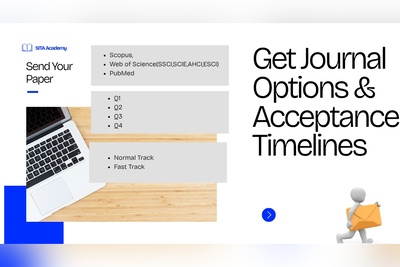
SITA Academy specializes in identifying journals that align with:
Required indexing (Scopus, WoS, SSCI, AHCI)
Quartile preferences (Q1–Q4)
Discipline, methodology, and scope
Acceptance probability and review speed
Manuscript Review and Readiness Assessment
Each abstract or manuscript is carefully reviewed to assess:
Journal fit
Submission readiness
Potential revision needs prior to submission
Strategic Publication Planning
Rather than relying on trial and error, we provide a structured publication strategy designed to meet academic and institutional deadlines.
SITA Academy’s Track Record
We have a long and proven history of assisting researchers across Saudi Arabia, the UAE, Qatar, Kuwait, Oman, and Bahrain. Our deep understanding of regional academic regulations allows us to align journal selection precisely with promotion and graduation requirements, resulting in consistently high acceptance outcomes.
Fast-Track Publishing: How We Reduce Review and Decision Time

Targeting Journals with Efficient Editorial Workflows
We prioritize journals known for structured peer review systems and reasonable editorial timelines.
Avoiding Desk Rejections
By ensuring precise alignment between manuscript scope, methodology, and journal expectations, we significantly reduce desk rejection rates.
Matching Scope, Methodology, and Journal Expectations
Each journal recommendation is tailored to the research design, theoretical framework, and disciplinary focus of the paper.
Wide Journal Coverage Across Disciplines
We support publication across a broad range of disciplines, including:

Medical and Health Sciences
Support for clinical, public health, and biomedical journals indexed in Scopus and WoS.
Engineering and Technology
Coverage includes engineering, computer science, artificial intelligence, energy, and applied sciences.
Social Sciences and Humanities
Including SSCI- and AHCI-indexed journals in education, linguistics, sociology, law, and cultural studies.
Business, Education, and Interdisciplinary Research
Support extends to management, economics, education policy, and multidisciplinary journals.
Our services cover journals indexed in Scopus, Web of Science, SSCI, AHCI, and other recognized international databases.
Why Researchers Across the Gulf Trust Our Services
Extensive experience with regional academic requirements
High acceptance success rates through strategic journal targeting
Transparent, ethical, and fully compliant publication support
Who Can Benefit from Our Publication Services?
PhD and Master’s students preparing for graduation
Faculty members seeking promotion or tenure
Postdoctoral researchers and independent scholars
Research centers and academic institutions
How to Submit Your Abstract or Manuscript
Getting started is simple. Researchers may submit:
An abstract for initial journal selection, or
A full manuscript for detailed assessment
Once received, SITA Academy reviews the submission and provides a customized list of suitable journals. The publication process begins only after the researcher approves and finalizes the journal choice.
Verified Contact Channels
If you have any questions, inquiries, or would like to learn more about our services, please don't hesitate to reach out to us. Our dedicated team is ready to assist you.