Q3 Scopus Journals with Fast Publication: A Practical Guide
Learn why Q3 Scopus journals are a strategic choice for fast publication. Discover timelines, acceptance expectations, and how to find fast-publishing Q3 journals.
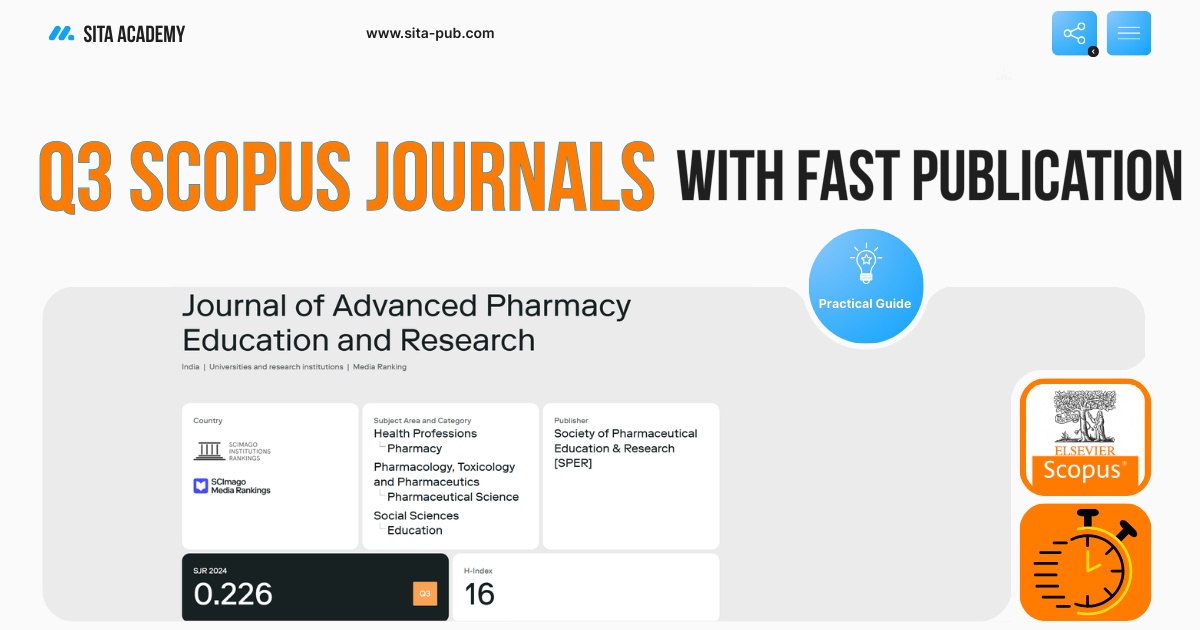
For many researchers, publishing in a Scopus-indexed journal is a critical academic requirement. However, not all Scopus journals serve the same purpose or suit the same publishing goals. While Q1 and Q2 journals are often associated with high impact, they are also highly competitive and time-consuming. This is why Q3 Scopus journals have become a strategic choice for researchers who need indexed publication within a reasonable timeframe.
Q3 journals strike a practical balance between academic credibility, acceptance probability, and publication speed. They are widely accepted by universities and funding bodies, while often offering faster editorial processing compared to higher-quartile journals. For PhD candidates, early-career researchers, and faculty members facing deadlines, Q3 journals can be an effective and realistic publishing pathway.
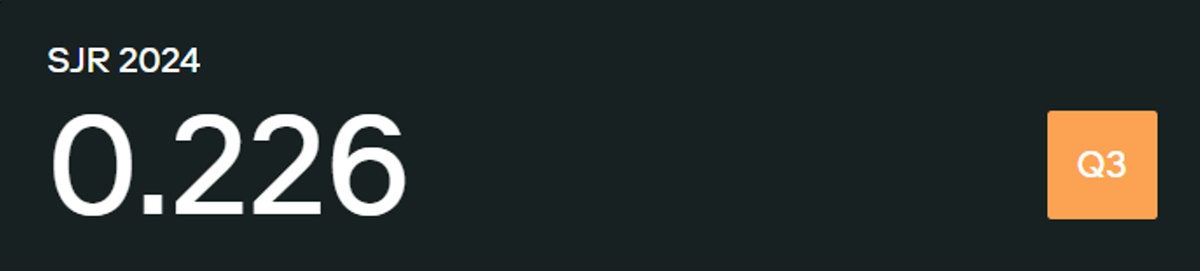
Scimago Journal Rank (SJR) classifies journals indexed in Scopus into four quartiles—Q1, Q2, Q3, and Q4—based on their citation performance within a specific subject area. A Q3 journal falls within the third quartile of journals in its field.
This ranking does not indicate poor quality. Instead, it reflects citation patterns relative to other journals in the same discipline. Many Q3 journals publish solid, peer-reviewed research, particularly applied studies, regional research, and emerging topics.
The main differences between quartiles relate to competition, scope, and editorial selectivity.
Q1 journals are highly selective, have very low acceptance rates, and often take longer to review and publish.
Q2 journals maintain strong quality standards but still have competitive acceptance rates.
Q3 journals tend to have broader scopes, higher publication volumes, and more flexible editorial policies.
Q4 journals may have the highest acceptance rates but are sometimes less preferred for promotion or degree requirements.
Q3 journals often provide the best compromise between indexing value and realistic acceptance chances.
While acceptance rates are rarely published, Q3 journals generally:
Accept well-structured and methodologically sound studies
Expect clear research contributions rather than groundbreaking novelty
Focus on practical relevance and proper alignment with journal scope
For many researchers, this makes Q3 journals more accessible and predictable.

Fast publication can mean different things, and misunderstanding these terms often leads to frustration.
Fast review refers to a short time to first editorial or peer-review decision.
Fast acceptance means fewer review rounds and quicker final decisions.
Fast online publication indicates that articles are published online soon after acceptance.
A journal may be fast in one area but slow in another. The most effective Q3 journals combine all three.
Although timelines vary, many Q3 journals offer:
First decision within 3–6 weeks
Peer review completion within 6–10 weeks
Online publication within a few weeks after acceptance
Compared to Q1 or Q2 journals, these timelines are often significantly shorter.
A common misconception is that fast publication means low standards. In reality, reputable Q3 journals maintain peer review but optimize their editorial workflows. Another misconception is that paying publication fees guarantees speed or acceptance, which is not always true.

Q3 journals typically publish a higher number of articles per year. This reduces backlog and allows manuscripts to move through the system more quickly.
Because Q3 journals often cover broader subject areas, they can accommodate a wider range of studies. This reduces desk rejection and speeds up editorial decisions.
Many Q3 journals use continuous publishing or online-first models. Articles are published as soon as they are ready, without waiting for a complete issue, significantly shortening publication time.

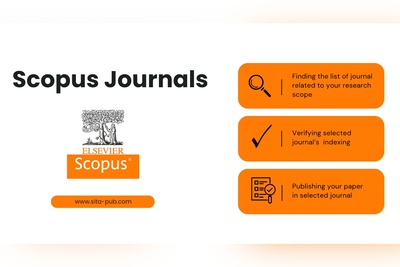
Scimago is the primary tool for identifying Q3 journals. Researchers should:
Filter journals by subject area
Check the current quartile ranking
Review publication frequency and publisher
SJR provides a reliable starting point, but it should not be the only selection criterion.
A practical method is to examine recently published articles and note:
Submission dates
Acceptance dates
Online publication dates
Consistent short intervals indicate efficient processing.
Journals that:
Publish monthly or continuously
Release large numbers of articles per year
Offer “online first” publication
are more likely to support faster publication.
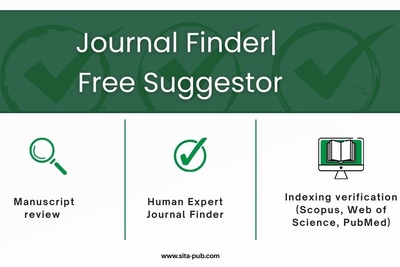
Many researchers lack the time or experience to analyze dozens of journals. Professional publication support services can quickly identify Q3 journals that combine fast review cycles with higher acceptance potential, based on manuscript quality and scope alignment.

SITA Academy's Professional services begin with a detailed review of the manuscript to assess:
Technical quality
Structure and clarity
Journal readiness
This step prevents unnecessary desk rejections.
Rather than guessing, experts match papers with journals that:
Align with the research topic and methodology
Have realistic acceptance levels
Offer faster editorial timelines
A strategic submission plan saves time and reduces repeated rejections.
Language quality and similarity scores significantly affect editorial decisions. Professional support includes:
Native English academic editing
Formatting according to journal guidelines
Plagiarism checking and optimization
These technical improvements directly improve acceptance chances and processing speed.
Q3 Scopus journals represent a smart and strategic publishing option for researchers seeking indexed publication with faster timelines and realistic acceptance chances. Understanding quartile rankings, recognizing what fast publication truly means, and carefully evaluating journals are essential steps for successful publication.
For researchers who want to avoid delays and rejections, professional guidance can make the process more efficient and predictable.
SITA Academy provides professional support for fast Q3 Scopus publication.
We offer free manuscript evaluation, identify fast-publishing Q3 journals with high acceptance potential, and provide complete publication support, including editing, plagiarism optimization, and submission strategy.

Send Your Paper Abstract |

Receive Journal List |

Select Your Journal |

Start the Publication Process |