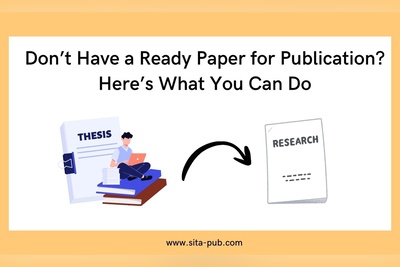
How to Submit and Publish Your Master’s/PhD Thesis – Research Guide
An informational overview of how theses are converted into publication-ready journal articles, including journal selection, English language editing, plagiarism requirements, and submission processes.
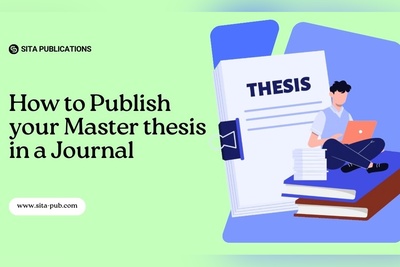
Publishing your master’s or PhD thesis is one of the most important steps in a graduate student’s academic journey. Many graduate students are unsure where to begin, what journals accept thesis-based papers, and how the publication process actually works.
In this weblog article, we explain everything you need to know about publishing your master’s or PhD thesis. You will learn how theses can be converted into journal articles, why the process is more complex than simple copy-pasting, the correct steps to write a research paper from a thesis, and answers to common questions graduate students ask about thesis publication. We also explain how expert assistance can simplify and strengthen the entire process.
Can a Master’s or PhD Thesis Be Published in Academic Journals?
Yes, a master’s or PhD thesis can be published in academic journals, and most reputable journals accept thesis-based research paper submissions. Journals value original research, strong methodology, and meaningful results—all of which are typically present in graduate theses.
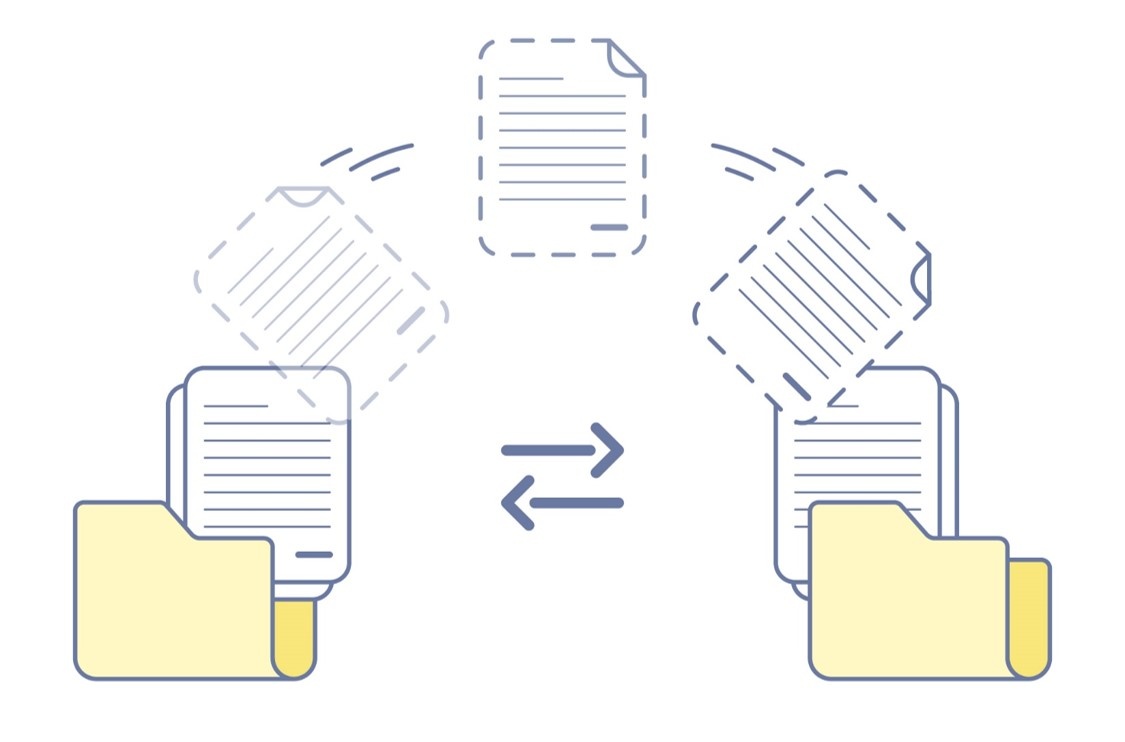
However, journals do not accept theses in their original format. A thesis is written for academic evaluation by a university, while a journal article is written for a broader, international research audience. This distinction is critical and explains why thesis publication requires restructuring, rewriting, and compliance with journal-specific standards.
Why Publishing a Thesis Is Not Simple Copy-Pasting
Although a thesis contains valuable research, it is usually far longer and more detailed than a journal article. A thesis often includes:
Extensive background and literature review
Detailed methodological explanations
Large datasets and appendices
Multiple objectives and research questions
Journal articles, by contrast, are concise, focused, and tightly structured. They emphasize:
A single, clear research objective
Key findings and results
Focused discussion and implications
Strict word limits and formatting rules
Because of these differences, thesis content must be carefully extracted, rewritten, and refined into a standard research article format. This process also requires strong academic writing skills, subject expertise, and knowledge of journal expectations.
Steps to Turn Your Thesis or Dissertation into a Published Paper
Identify Publishable Content in Your Thesis
Not every chapter of a thesis is suitable for publication. The first step is identifying which parts of your research can form independent, publishable articles. Depending on the scope and depth of your work, a thesis may produce:
One comprehensive research article
Multiple articles focusing on different results, experiments, or analyses
This step requires expert evaluation to ensure originality, relevance, and journal suitability.
Choose the Appropriate Type of Research Article
From a thesis, different types of journal articles may be developed, including:
Original research articles
Methodology-based papers
Review or conceptual articles (derived from literature review sections)
Selecting the correct article type improves alignment with journal scope and increases acceptance chances.
Rewrite the Thesis into a Standard Research Article Format
Once content is selected, it must be rewritten into a standard academic research article structure, typically including:
Abstract
Introduction
Methods
Results
Discussion
Conclusion
This is not a copying exercise. The language must be concise, coherent, and suitable for international journals.
Native English Editing (If the Thesis Is Not Originally in English)
If your thesis was originally written in Arabic or another language, professional native English editing is essential before submission to international journals. Language quality plays a major role in editorial decisions.
Expert native English editing ensures:
Clarity and academic tone
Correct grammar and terminology
Natural flow suitable for international readership
This step significantly improves acceptance probability and reviewer perception.
Plagiarism Checking and Ethical Paraphrasing
Before submission, manuscripts must be checked for plagiarism. Even original theses may show high similarity due to self-referencing or reused text.
Professional services include:
Plagiarism checking using standard tools
Ethical paraphrasing and content refinement
Ensuring compliance with journal plagiarism thresholds
This step protects authors from rejection or ethical issues.
Select a Suitable Journal
Choosing the right journal is critical. Key factors include:
Journal scope and subject relevance
Indexing (Scopus, Web of Science, PubMed, etc.)
Acceptance rate
Review and publication timeline
Article Processing Charges (APC)
Submitting to an unsuitable journal is one of the most common reasons for rejection.
Format According to Journal Guidelines
Each journal has specific formatting requirements for:
References and citations
Tables and figures
Manuscript structure
The manuscript must be formatted into the standard research article format required by the selected journal before submission.
Submit and Respond to Peer Review
After submission, journals send manuscripts for peer review. Reviewers may request revisions or clarifications. Responding professionally and accurately to reviewer comments is often the final step toward acceptance.
Frequently Asked Questions About Publishing a Thesis or Dissertation
Can I publish my thesis without rewriting it? No. Journals require thesis content to be rewritten into a research article format.
How many papers can be extracted from one thesis? This depends on the scope and originality of the research. Some theses yield one paper, others multiple articles.
Do journals reject thesis-based papers? No, provided the paper is original, properly rewritten, and not previously published as an article.
Can non-English theses be published internationally? Yes, after professional native English editing.
Is plagiarism checking necessary? Yes. Journals require manuscripts to meet strict similarity thresholds.
Publish Your Thesis with Expert Assistance from SITA Academy
Publishing from a thesis can be complex and time-consuming. We offer expert-led thesis-to-article services to simplify and strengthen the entire process.
We convert theses into publication-ready research articles, written in standard journal format, with optional full publication assistance.
How SITA Academy’s Thesis Publication Process Works
Step: Send Your Thesis for Evaluation
Send your thesis to SITA Academy for expert review. We evaluate:
Once you confirm the plan, our experts begin the thesis-to-article extraction, including:
Academic rewriting
Native English editing (if required)
Plagiarism checking and ethical paraphrasing
Step : Optional Full Publication Assistance
If you choose to proceed, we provide:
Journal recommendation
Formatting and submission
End-to-end publication assistance
Final Thoughts
Publishing your master’s or PhD thesis is a powerful way to extend the impact of your research. While the process involves more than copying content, expert support makes it structured, ethical, and successful.
If you are ready to explore the publication potential of your thesis, send it to SITA Academy to see how many articles can be extracted and their proposed titles. Upon confirmation, the extraction process begins—and full publication assistance is available if you choose to proceed.
Your research deserves the right platform. With expert guidance, your thesis can become a published contribution to global scholarship.
Verified Contact Channels
If you have any questions, inquiries, or would like to learn more about our services, please don't hesitate to reach out to us. Our dedicated team is ready to assist you.