Best Q3 Scopus Indexed Journals for Graduate Students and Researchers
Discover why Q3 Scopus indexed journals are an ideal publishing option for graduate students and early-career researchers. Learn how to identify the best Q3 journals, compare them with Q1 and Q2, and improve your chances of successful publication.
Aiming directly for top-tier Q1 or Q2 journals can be challenging, especially for early-career academics. This is where Q3 Scopus indexed journals become a strategic and practical option. They offer a balance between academic credibility and realistic acceptance chances, making them ideal for Master’s and PhD students.
This article explains what Q3 journals are, how they compare to higher-quartile journals, why they are suitable for graduate students, and how to identify the best Q3 Scopus journals for your research.
What Are Q3 Scopus Indexed Journals?
Definition of Q3 Journals
Scopus classifies journals into four quartiles—Q1, Q2, Q3, and Q4—based on their performance within a specific subject category. These quartiles are calculated using metrics such as CiteScore, which reflects how frequently articles in a journal are cited.
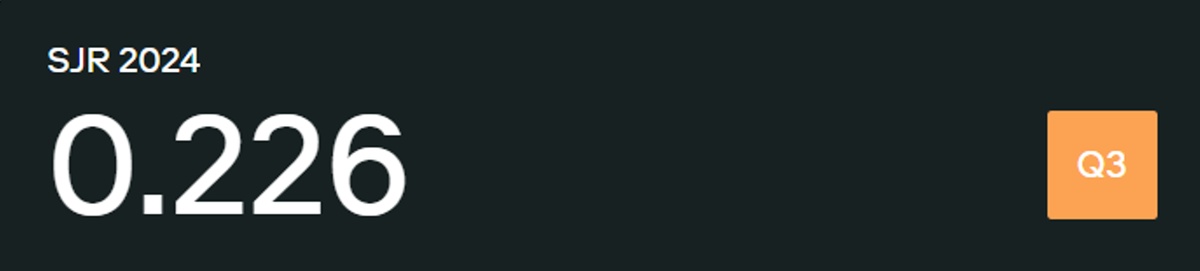
A Q3 journal falls within the 50%–75% range of journals in its subject area. This means it performs better than lower-tier journals while being less competitive than Q1 and Q2 journals.
Importantly, Q3 journals are fully indexed in Scopus, meaning they meet Scopus’s minimum quality, peer-review, and publishing standards.
Academic Credibility and Indexing Standards
One common misconception is that Q3 journals lack academic credibility. In reality, all Scopus-indexed journals, including Q3, must meet strict criteria, such as:
A formal peer-review process
Ethical publishing policies
Regular publication schedules
International editorial standards
Transparent editorial boards
Being indexed in Scopus itself is a strong indicator of quality. Q3 journals are recognized by universities, funding bodies, and academic institutions worldwide.
How Q3 Journals Compare to Q1 and Q2 Journals
The main differences between Q3, Q2, and Q1 journals lie in competition level and citation impact, not in basic quality standards.
Q1 journals are highly competitive, with very low acceptance rates and long review cycles.
Q2 journals are still competitive but slightly more accessible.
Q3 journals maintain peer-review quality while offering more reasonable acceptance standards and faster timelines.
For many graduate students, starting with Q3 journals is a strategic step rather than a compromise.
Why Q3 Journals Are the Best Option for Graduate Students and Early-Career Researchers
Publishing during a Master’s or PhD program is often required for graduation, scholarship renewal, or academic promotion. Q3 journals offer several advantages that align well with these needs.
Balanced Acceptance Standards
Q3 journals apply rigorous peer review but are generally more open to:
Well-designed studies with limited scope
Regional or applied research
Early-stage academic contributions
This balance makes them ideal for researchers who are still developing their academic writing and publishing experience.
Faster Peer-Review and Publication Timelines
Compared to Q1 and Q2 journals, Q3 journals often have:
Shorter editorial screening periods
Faster reviewer turnaround
Quicker publication after acceptance
For graduate students working under deadlines—such as thesis submission or graduation requirements—this faster timeline can be crucial.
Strong Academic Recognition Without Extreme Competition
Q3 journals are recognized as legitimate academic outputs in many universities and evaluation systems. They contribute to:
Graduation requirements
Academic CVs
Research performance assessments
At the same time, they do not subject authors to the intense competition and repeated rejections common in higher-quartile journals.
Ideal for Master’s and PhD Graduation Requirements
In many institutions, publishing in a Scopus-indexed journal—regardless of quartile—is sufficient for:
Master’s degree completion
PhD defense eligibility
Program milestones
Q3 journals often represent the most realistic and efficient path to meeting these requirements.
Suitable for Building a Publication Track Record
For early-career researchers, publishing is a cumulative process. Q3 journals help authors:
Gain experience with peer review
Learn how to respond to reviewer comments
Build confidence and publication history
This experience becomes invaluable when targeting Q2 or Q1 journals later in one’s career.
How to Identify the Best Q3 Scopus Indexed Journals
Not all Q3 journals are equal. Choosing the right one requires careful evaluation beyond the quartile label.
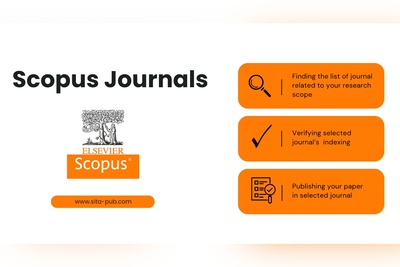
Finding a Journal That Matches Your Paper’s Scope
Scope alignment is one of the most important factors in journal acceptance.
To evaluate scope:
Read the journal’s Aims and Scope section carefully
Review recently published articles
Check whether your research topic, methods, and objectives align
Submitting a paper outside a journal’s scope is one of the most common reasons for desk rejection, even in Q3 journals.
Checking the Quartile Status to Confirm Q3 Ranking
Quartiles can change annually, so verification is essential.
To confirm Q3 status:
Visit Scopus Sources or CiteScore Metrics
Search for the journal by name
Check its quartile in your specific subject category
Note that a journal may be Q3 in one field and Q2 or Q4 in another, depending on classification.
Evaluating Acceptance Rate and Review Speed
Acceptance rate and review speed are not always publicly stated, but you can estimate them by:
Checking submission and acceptance dates in published articles
Reviewing author experiences on academic forums
Examining the journal’s publication frequency
Journals with extremely fast acceptance (e.g., days) should be approached cautiously, as they may lack proper peer review.
Additional Factors to Consider When Choosing a Q3 Journal
Beyond scope and quartile, several practical factors influence your publishing experience.
Open Access vs Subscription
Some Q3 journals are open access and charge APCs
Others are subscription-based with no publication fees
Choose based on your funding situation and institutional requirements.
Formatting and Author Guidelines
Q3 journals still expect strict compliance with:
Manuscript structure
Reference style
Figures and tables formatting
Failure to follow guidelines can delay review or lead to rejection.
Publication Frequency and Backlog
Journals that publish more issues per year often have:
Shorter waiting times after acceptance
Less backlog
This can significantly reduce time to publication.
Conclusion
Q3 Scopus indexed journals represent a practical, credible, and strategic publishing option for graduate students and early-career researchers. They combine recognized academic standards with reasonable acceptance rates and manageable timelines.
By understanding what Q3 journals are, aligning your research with the right scope, verifying quartile status, and evaluating acceptance trends, you can significantly improve your chances of successful publication.
Rather than viewing Q3 journals as a limitation, researchers should see them as a foundation for long-term academic growth—a stepping stone toward higher-impact publishing and a stronger research profile.
Are you a Master’s or PhD student aiming to publish in Scopus journals?
SITA Academy provides full international publication support, helping researchers identify high-acceptance journals and manage the entire publishing process. Submit your request today to receive a tailored list of suitable journals, including fees, review timelines, and publication details.
Verified Contact Channels
If you have any questions, inquiries, or would like to learn more about our services, please don't hesitate to reach out to us. Our dedicated team is ready to assist you.
1.
Are Q3 Scopus indexed journals considered credible for academic publishing?
Yes. Q3 journals are fully indexed in Scopus and meet its quality, peer-review, and ethical publishing standards. They are widely recognized by universities, research institutions, and funding bodies.
2.
Can I graduate with a Master’s or PhD by publishing in a Q3 journal?
In many universities, publishing in any Scopus-indexed journal—including Q3—is sufficient to meet graduation or defense requirements. However, you should always confirm your institution’s specific regulations.
3.
Are Q3 journals easier to publish in than Q1 or Q2 journals?
Generally, yes. Q3 journals tend to have more balanced acceptance standards and less competition than Q1 and Q2 journals, while still maintaining proper peer review and academic rigor.
4.
Do Q3 journals charge publication fees?
It depends on the journal. Some Q3 journals are subscription-based and do not charge authors, while others are open access and require an Article Processing Charge (APC).
5.
How can I check whether a journal is truly Q3 in Scopus?
You can verify a journal’s quartile by searching its title in the Scopus Sources list or CiteScore Metrics and checking its ranking within your subject category.